
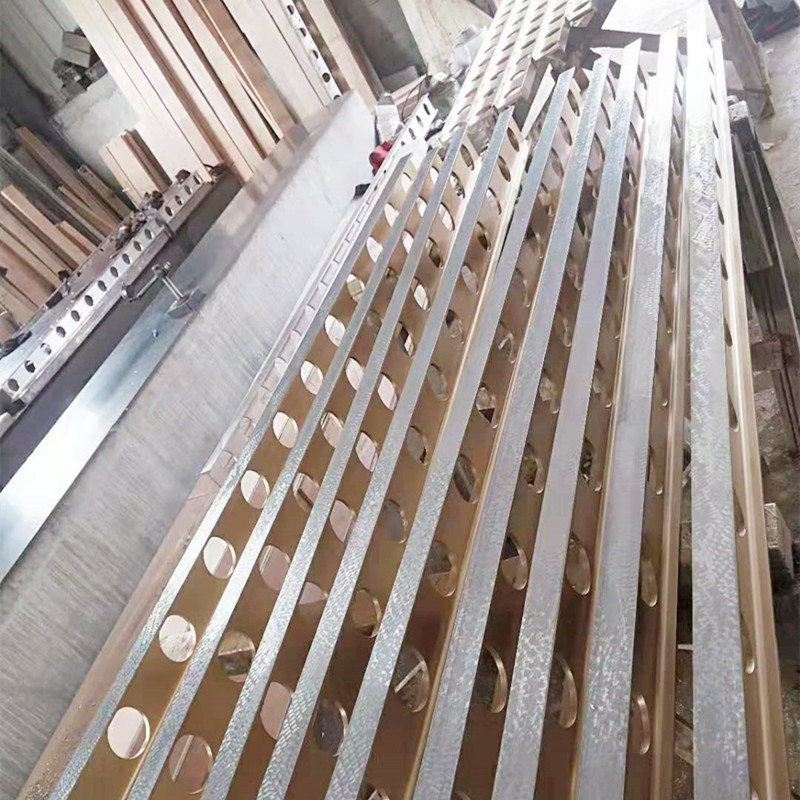
silver glass mirror
Understanding One-Way Ball Check Valves Functionality and Applications One-way ball check valves are integral components in various fluid systems, ensuring the unidirectional flow of liquids while preventing backflow. These valves play a crucial role in many industrial, commercial, and residential applications, contributing significantly to system efficiency and reliability. This article explores the structure, working principle, advantages, and applications of one-way ball check valves. Structure and Working Principle A one-way ball check valve consists of a valve body, a ball, and a seat. Typically manufactured from materials such as brass, stainless steel, or plastic, these valves are designed to withstand high pressure and corrosive environments. The primary function of a one-way ball check valve is based on a simple yet effective mechanism. Inside the valve body, a ball is positioned atop a seat. When fluid flows in the intended direction, the fluid pressure pushes the ball away from the seat, allowing the liquid to pass through. However, if the flow direction reverses, the ball is pushed back onto the seat, sealing the valve and preventing any backflow. This one-directional characteristic is pivotal in maintaining system integrity and preventing contamination or damage from reverse flow. Advantages of One-Way Ball Check Valves One-way ball check valves offer several advantages that make them a preferred choice in many applications 1. Simplicity and Reliability The design of the ball check valve is straightforward, ensuring minimal maintenance and high reliability over time . With fewer parts than other valve types, they are less prone to mechanical failures. 2. Low Pressure Drop The smooth surface of the ball and the streamlined flow path contribute to a low-pressure drop across the valve, making it energy-efficient. This is particularly important in systems where maintaining pressure is essential, such as HVAC applications and irrigation systems. 3. Wide Range of Applications One-way ball check valves can be used in a variety of applications, including water supply systems, wastewater treatment, irrigation, and more. Their versatility allows for use in different industries, including agriculture, pharmaceuticals, and food processing. one way ball check valve 4. Preventing Contamination By preventing backflow, these valves help maintain the purity of fluids, which is crucial in applications where contamination can lead to severe consequences. This makes them indispensable in the food and beverage industry as well as in chemical processing. 5. Compact Design The compact nature of one-way ball check valves means they can be easily integrated into various systems without requiring significant changes to existing infrastructure. Their lightweight design also helps in reducing the overall weight of piping systems. Applications of One-Way Ball Check Valves One-way ball check valves find their application across a wide range of fields due to their versatile nature. Some prominent applications include - Water Supply Systems They are commonly used in water supply lines to prevent backflow, ensuring that clean water does not mix with wastewater. - Wastewater Treatment In sewage systems, one-way ball check valves help maintain system pressure and prevent the backflow of contaminated water into treatment facilities. - HVAC Systems These valves are used in heating, ventilation, and air conditioning systems to prevent backflow in refrigerant lines and ensure efficient operation. - Irrigation Systems In agricultural applications, they help maintain consistent water flow and protect against backflow, which can lead to contamination of freshwater sources. - Industrial Applications Manufacturing processes often utilize one-way ball check valves to control fluid flows in pumps and pipelines to ensure process integrity and safety. Conclusion One-way ball check valves play a crucial role in modern fluid management systems by providing effective backflow prevention and maintaining the efficiency of fluid transport. Their simple yet effective design, combined with their reliability and versatility, makes them an indispensable component in various applications. As industries continue to evolve, the demand for efficient and reliable fluid control devices like one-way ball check valves will undoubtedly persist, underlining their importance in both current and future engineering solutions. Understanding their functionality and appropriate applications enhances the ability to design robust systems that ensure both safety and efficiency, ultimately leading to advancements in fluid management technology.
about
silver glass mirror
Understanding Manual Check Valves Functionality and Applications In various industrial applications, maintaining the proper flow of fluids while preventing backflow is a crucial concern. A manual check valve is one effective solution designed to address these issues, ensuring that when fluids flow in one direction, they cannot reverse course. This article will delve into the functionality of manual check valves, their types, applications, and best practices for use. What is a Manual Check Valve? A manual check valve is a device that allows fluid to flow in one direction while preventing backflow. Unlike automatic check valves that utilize pressure differentials to operate, manual check valves require human intervention to open or close. This feature provides operators with complete control over fluid movement within a system, making them particularly useful in environments where maintenance and manual oversight are essential. How Does It Work? Manual check valves operate based on basic mechanical principles. When fluid pressure is applied in one direction, it opens the valve, allowing flow. When the pressure drops or attempts to reverse, the valve closes, effectively blocking the backflow. The manual aspect comes into play when operators need to engage or disengage the valve, often using a lever or handwheel that physically opens or closes the valve. Types of Manual Check Valves There are several types of manual check valves, each suited for specific applications 1. Swing Check Valve This type features a hinged disk that swings open when fluid flows in the desired direction. When the fluid reverses, the disk swings closed due to gravity, preventing backflow. 2. Lift Check Valve In this design, a disc or ball rises as fluid flows upward, allowing passage. If backflow occurs, the disc or ball is pushed back into its seat, sealing the valve. 3. Ball Check Valve Utilizing a spherical ball that moves within a seat, this valve allows fluid flow in one direction. When backflow attempts to occur, the ball is pushed into the seat, sealing off the flow. Each of these types has its advantages and disadvantages, and the choice largely depends on the specific requirements of the application, including the type of fluid, pressure ranges, and required flow rates. Applications of Manual Check Valves manual check valve Manual check valves are commonly used across various industries, including - Water Treatment Plants Preventing backflow is vital in maintaining the quality of treated water, making manual check valves essential in these facilities. - Pumping Systems Manual check valves can protect pumps from backspin that could lead to damage and inefficiency. - Fire Protection Systems Ensuring the efficient flow of water while preventing backflow can significantly enhance the operational reliability of fire sprinkler systems. - HVAC Systems In heating and cooling applications, manual check valves help maintain appropriate flow directions, ensuring effective system operation. Best Practices for Use To ensure the effectiveness and longevity of manual check valves, consider the following best practices 1. Regular Maintenance Inspect manual check valves regularly to ensure they operate smoothly. Lubrication and addressing any wear or corrosion issues can prevent failures. 2. Correct Installation Proper installation according to manufacturer specifications is crucial. Ensure that the valve is oriented correctly and that all connections are secure. 3. Monitor Flow Conditions Keep an eye on the conditions under which the valve operates. Ensure that the pressure and temperature are within the specified limits to avoid damage. 4. Training for Operators Since manual check valves require human intervention, proper training for operators is essential. They should be educated on when and how to engage or disengage the valves safely. 5. Selecting the Right Valve Consider the specific requirements of your application when choosing a manual check valve. Look into factors such as the fluid type, flow rate, and pressure conditions for optimal performance. Conclusion Manual check valves play a vital role in managing fluid flow in various industrial applications. By understanding their functionality, types, and proper maintenance, operators can effectively prevent backflow, ensuring system reliability and safety. Whether you're managing a water treatment facility or overseeing HVAC systems, the appropriate use of manual check valves will enhance operational efficiency and safeguard equipment longevity.
-

High quality industrial productsagement

High quality industrial products
View Details -

Meet the diverse needs of customers

Meet the diverse needs of customers
View Details -

Strict quality control

Strict quality control
View Details -

Top raw materials

Top raw materials
View Details -

Trusted supplier

Trusted supplier
View Details
Our application


news and information

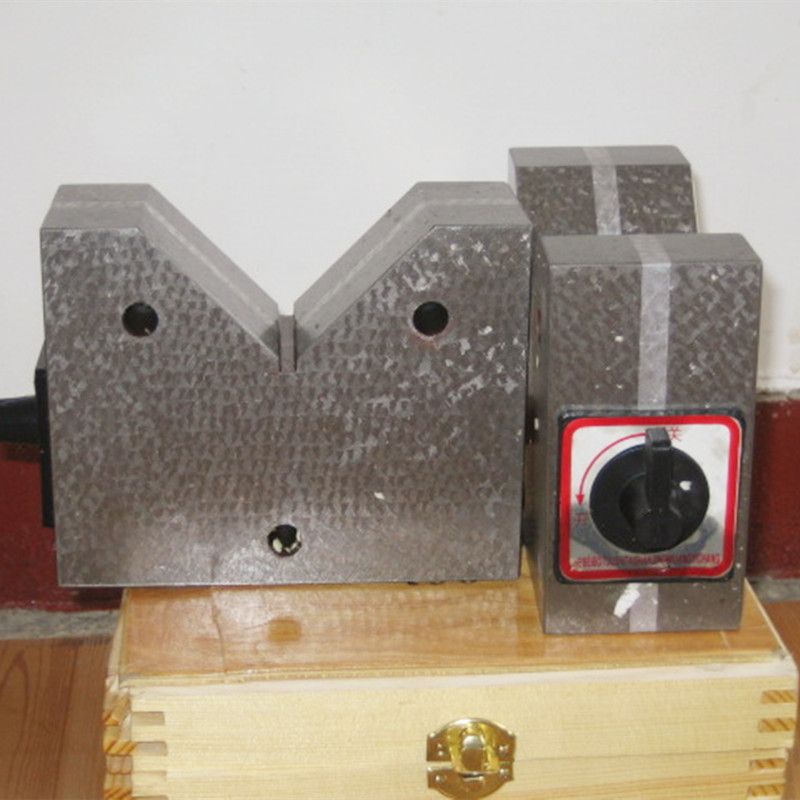
V Blocks for Precision Machining and Tool Alignment in Manufacturing Processes
Understanding V Blocks for Machining Essential Tools for Precision Work In the realm of machining, p

Water Hose Control Valve for Efficient Irrigation and Gardening Solutions
Understanding the Water Hose Valve A Key Component for Efficient Water Management When it comes to g
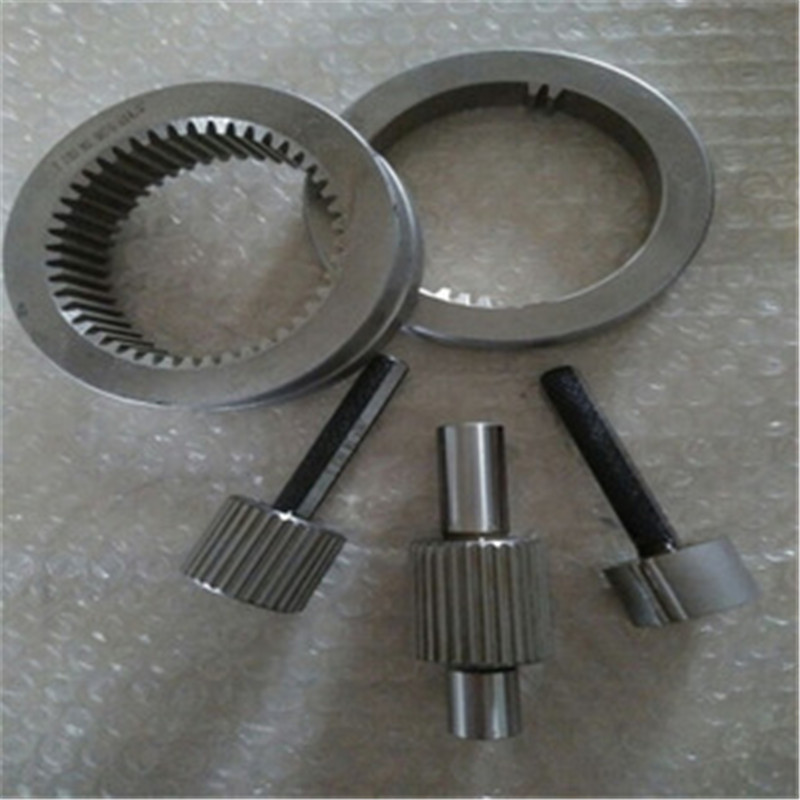
Water Hose Safety Understanding Check Valves Functionality
Understanding the Importance of Water Hose Check Valves A water hose check valve, also known as a n
 English